LUMIAC
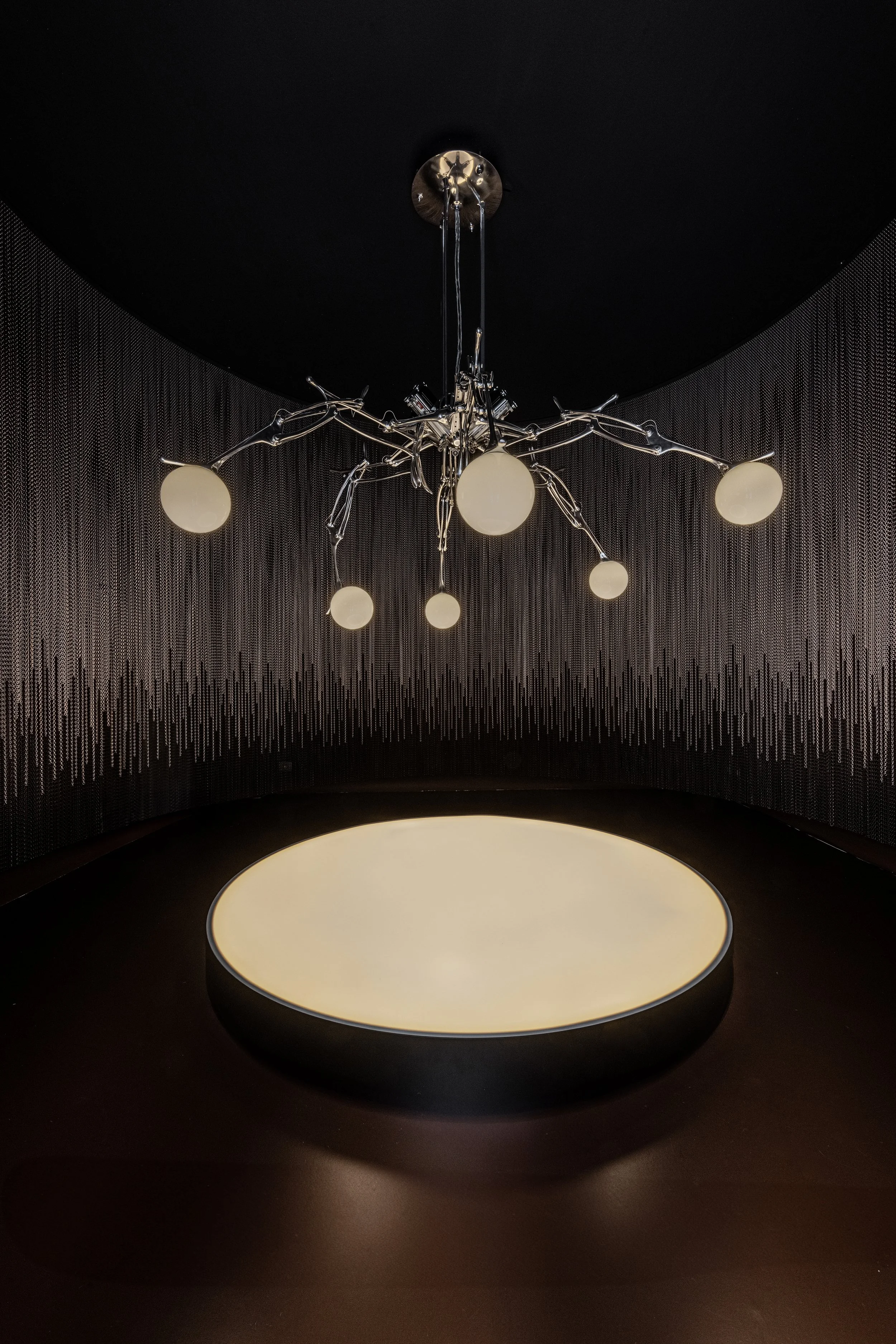
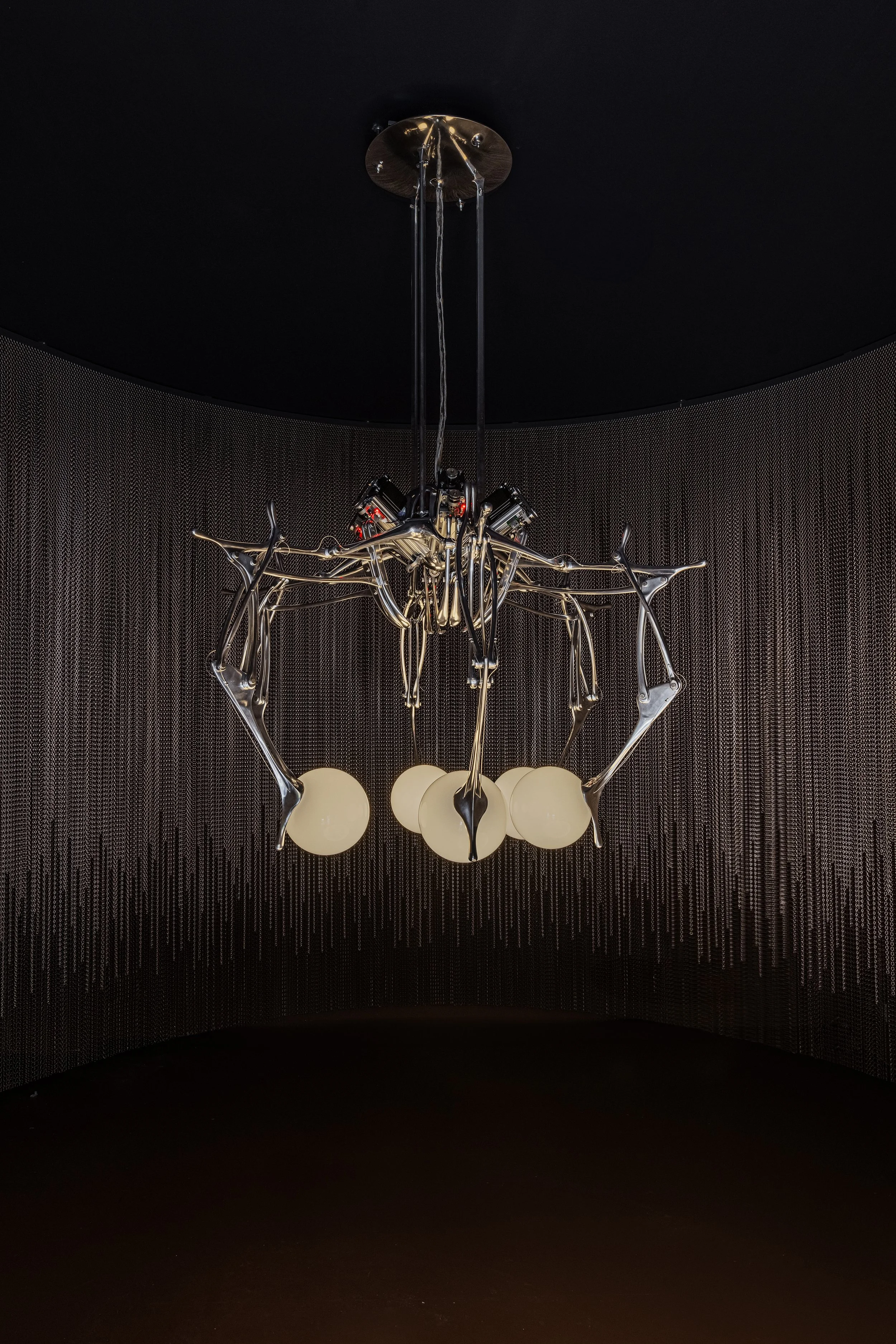
The project explores the relationship between human beings and machines, between organic gesture and artificial thought. Its name, LUMIAC, stands for Light Unit Mechanized Intelligence Apparatus Computer and deliberately echoes MANIAC, one of the earliest autonomous computers developed in the 1950s. Through this reference, the chandelier connects the decorative history of lighting with the origins of computational thinking.
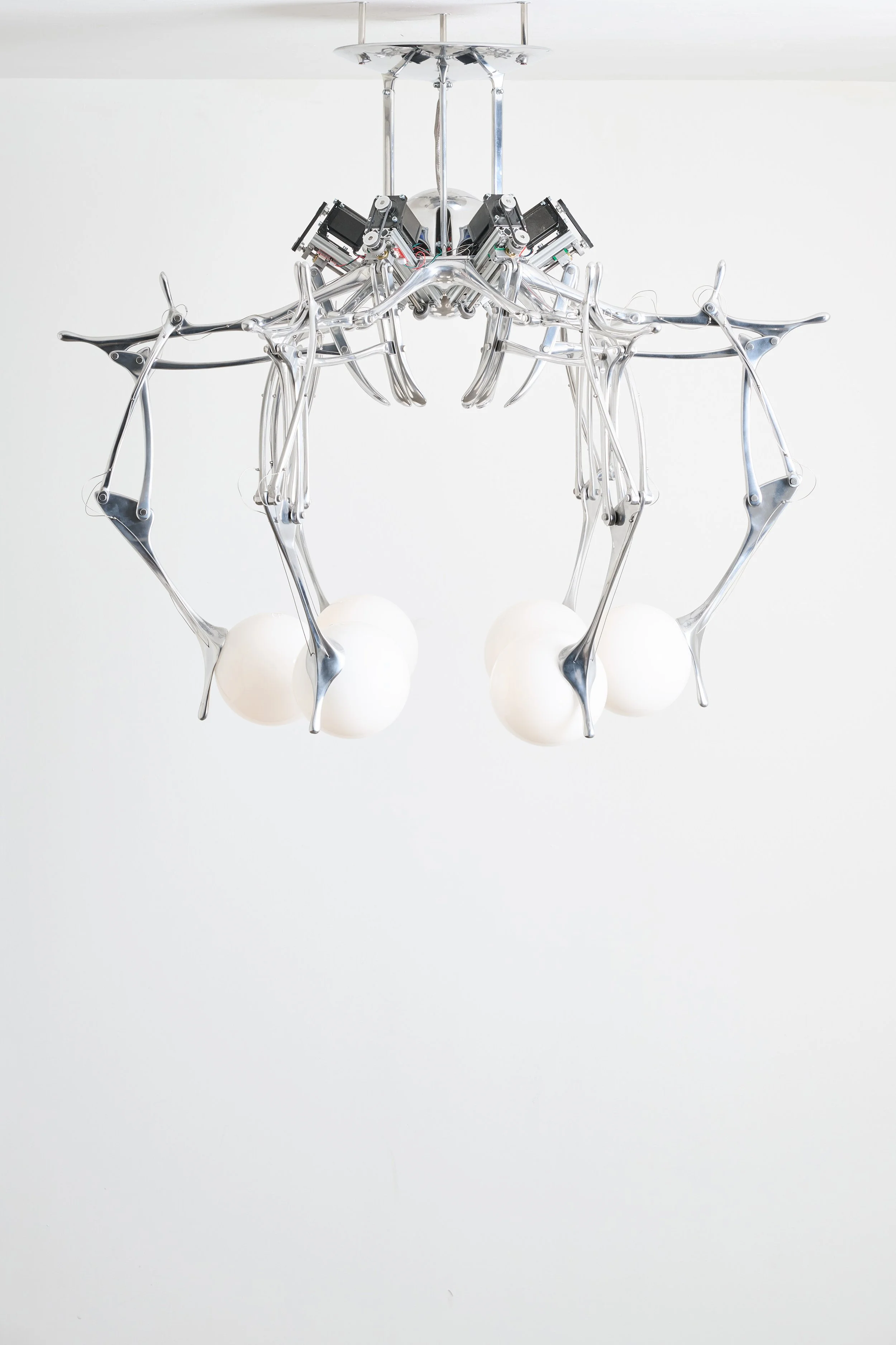
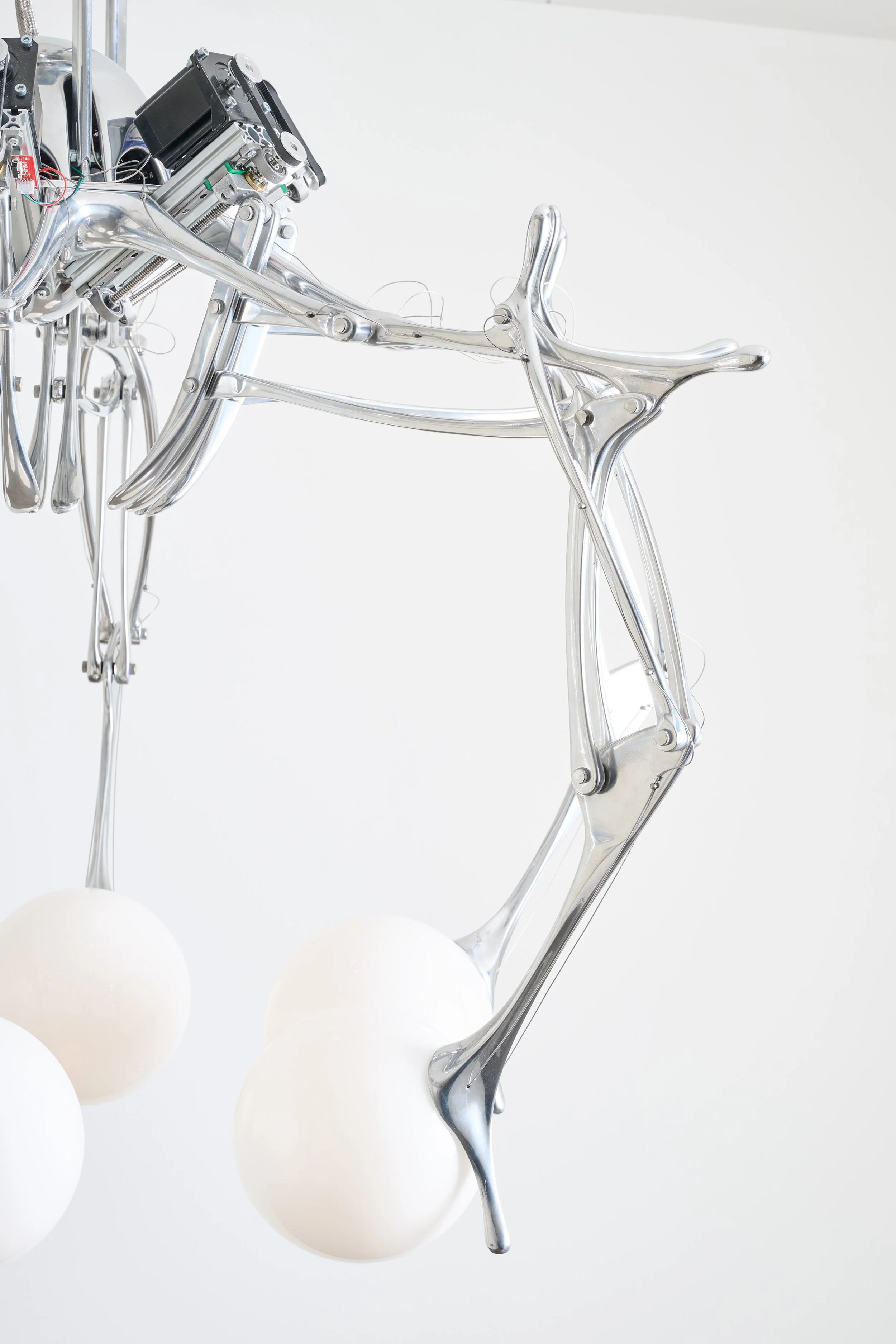
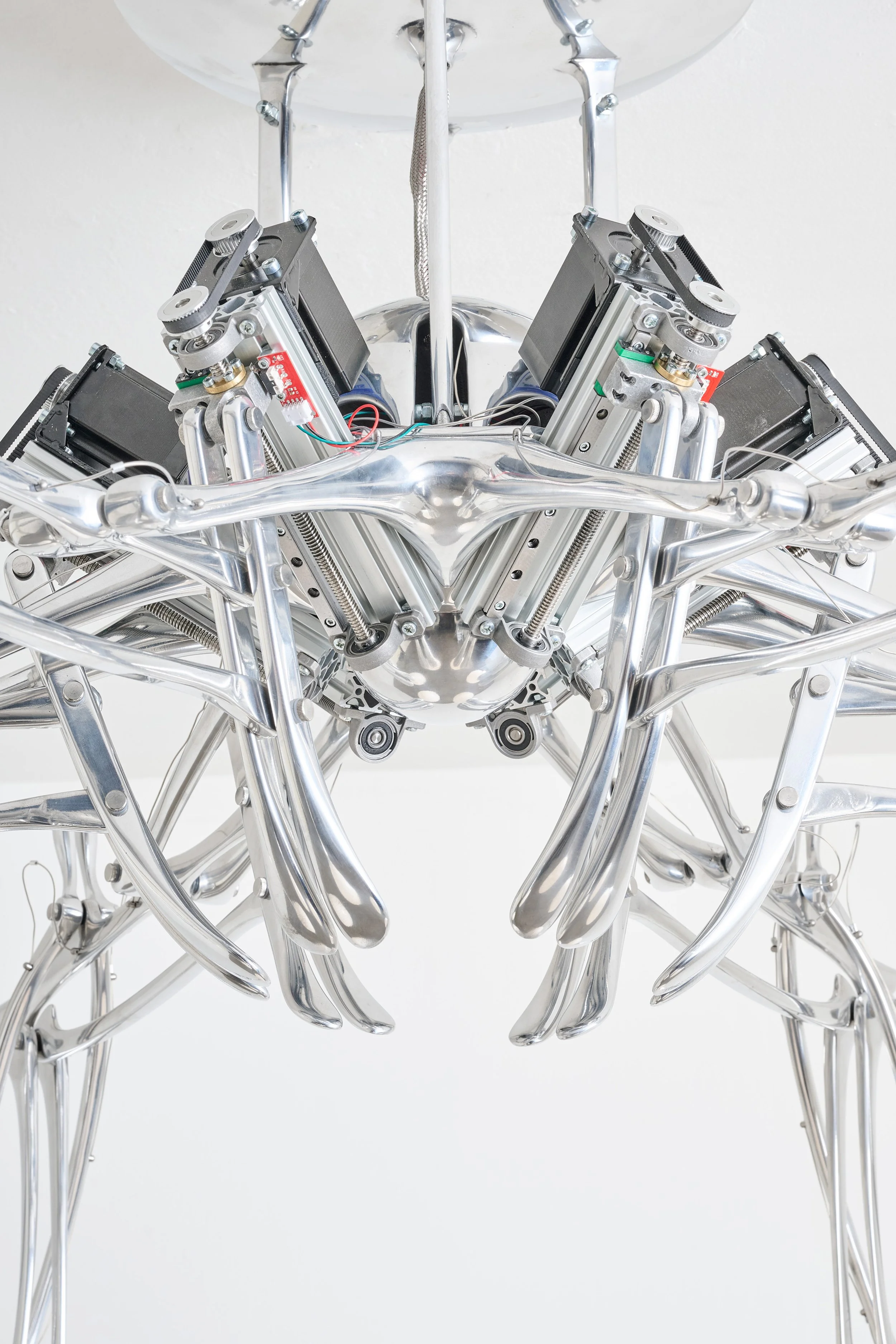
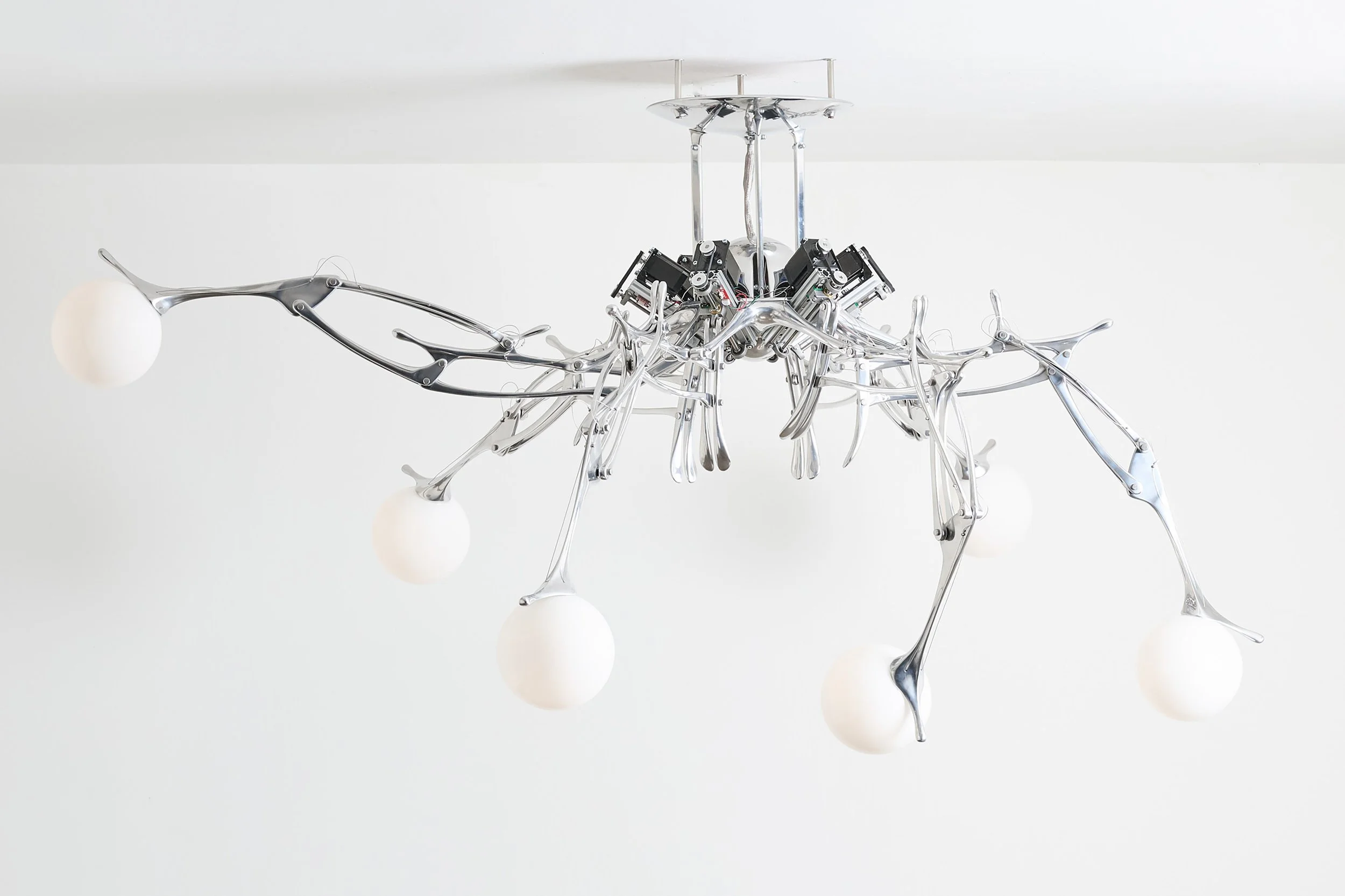
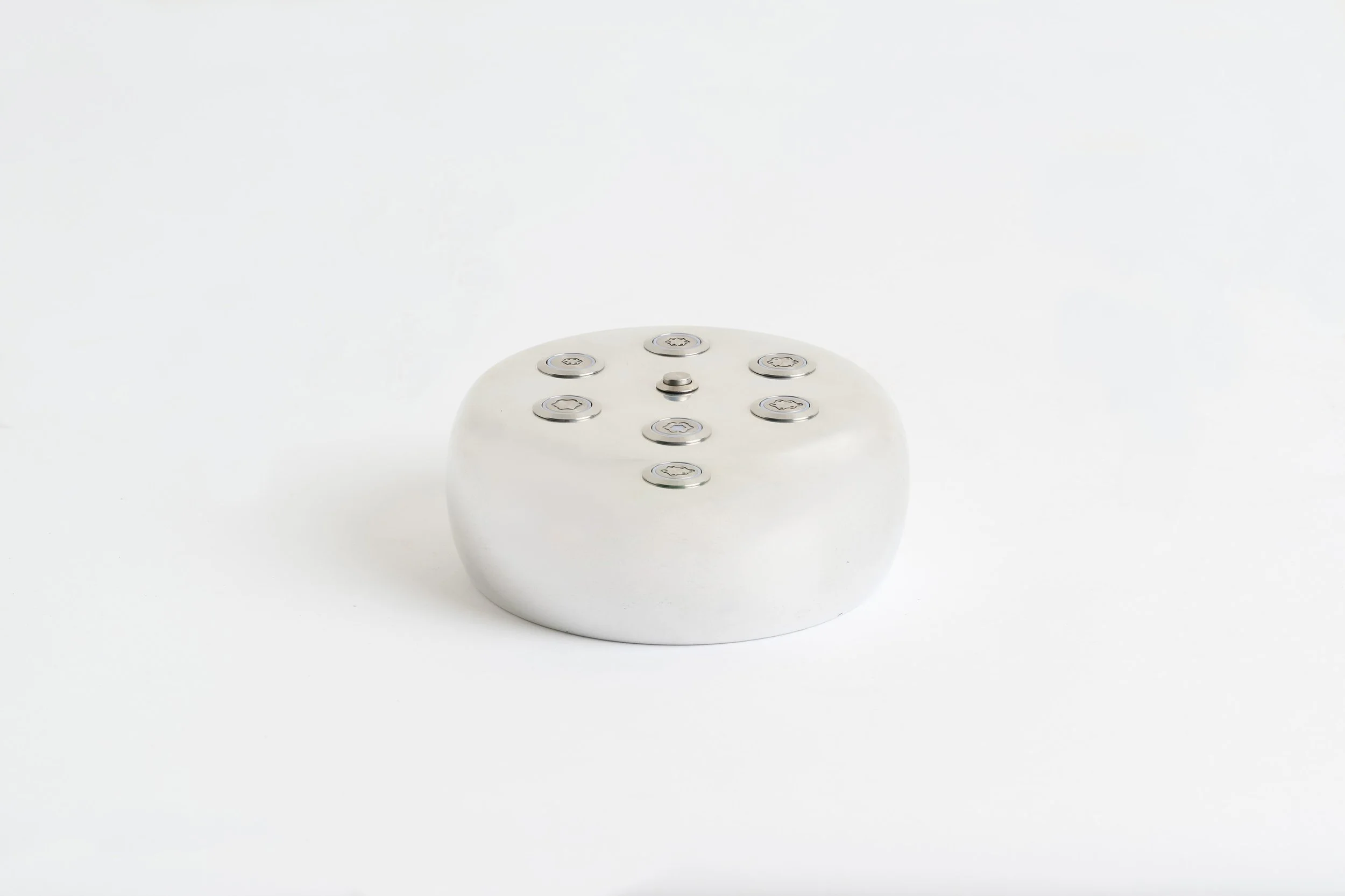
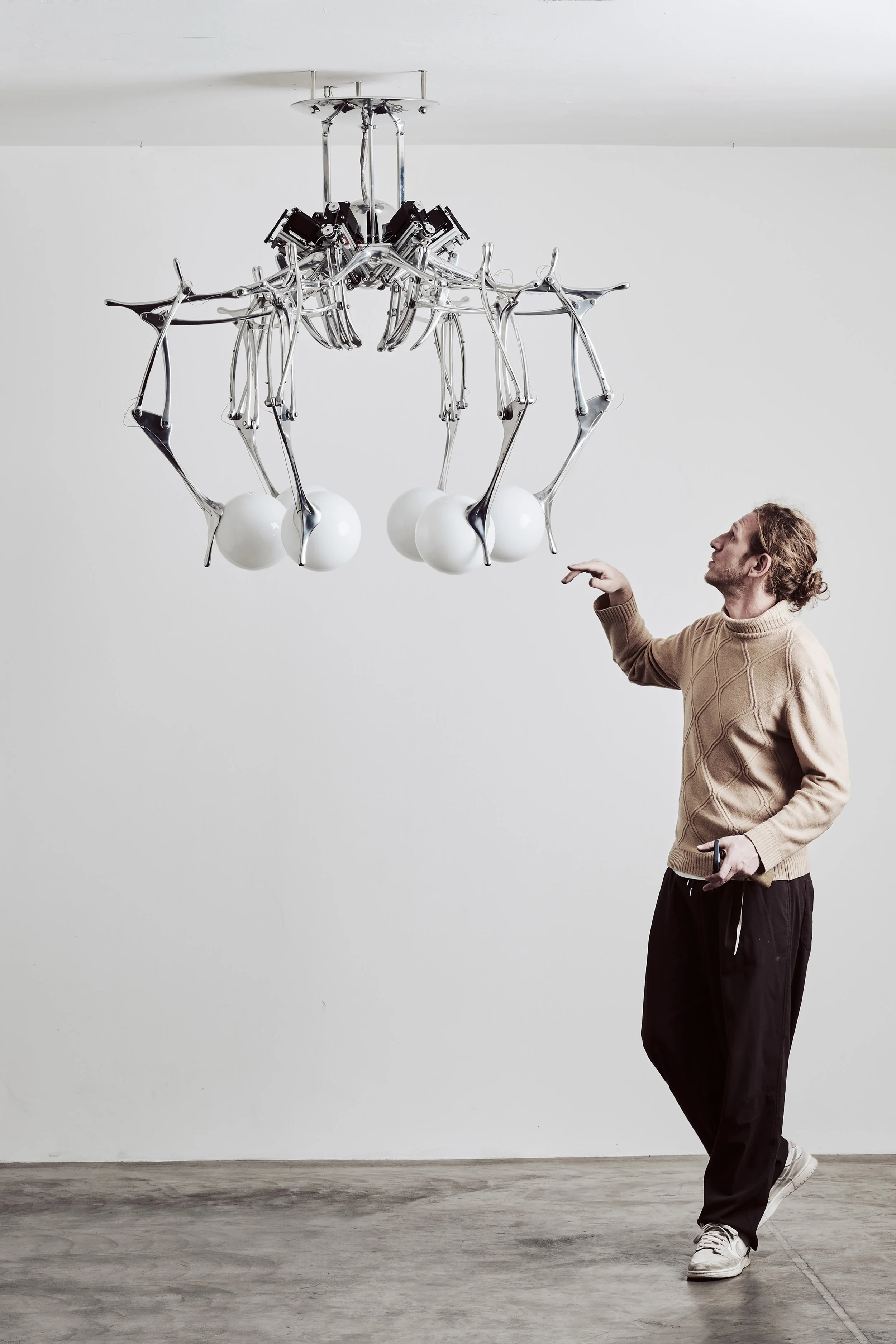
Rather than functioning as a static object, LUMIAC behaves as a kinetic entity. Its cast aluminium structure recalls human anatomy, with articulated arms extending from a central core like bones from a spine. Integrated motors control the movement of the arms, while blown-glass spheres emit a delicate light. Motion and dimming are synchronized through a remote-controlled system, allowing the chandelier to shift its configuration and atmosphere over time.
In developing the piece, Mancuso approached movement as both a technical and expressive language. The studies behind LUMIAC can be read in relation to Leonardo da Vinci’s investigations of anatomy, machines and motion, where the observation of the body was inseparable from the invention of mechanical systems. In LUMIAC, this historical way of thinking is translated through contemporary technologies: motorized engineering, programmable behaviour, digital control and advanced material fabrication.
This tension between past and present is central to the project. The chandelier appears almost alive, yet its gestures remain visibly mechanical. It suggests intelligence, but one generated through code, motors and light. In this ambiguity, LUMIAC questions the idea of design as something fixed and definitive, proposing instead an object that exists in time.